
Twin Rivalry: A Detailed Comparison of the Daihatsu Xenia and Toyota Avanza
In the Southeast Asian automotive landscape, particularly in Indonesia, few names evoke as much familiarity as the Daihatsu Xenia and the Toyota Avanza. Launched originally in the early 2000s as a joint collaboration between Toyota and its subsidiary Daihatsu, these two vehicles completely revolutionized the Multi-Purpose Vehicle (MPV) segment. Often referred to by automotive enthusiasts as the “Twin Cars,” they have consistently dominated the sales charts, serving as the definitive choice for millions of families requiring an affordable, reliable seven-seater.
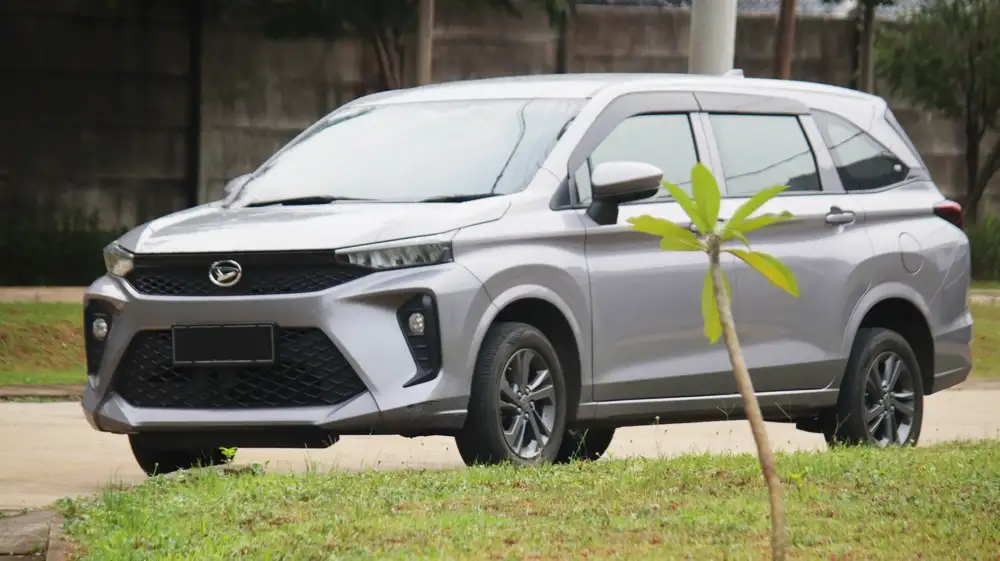
Despite sharing the same manufacturing platform, assembly lines, and core mechanical components, the Xenia and the Avanza are targeted at slightly different consumer segments. For a prospective buyer looking to park one of these MPVs in their garage, understanding the subtle differences in styling, pricing, interior comfort, and brand value is crucial. Here is an in-depth comparison to help you determine which twin suits your lifestyle best.
 Car leasing is fast changing into a extra in style choice as compared to purchasing a brand new car outright. Thus, the one escape is for Africans to develop and develop below the umbrella of worry, uncertainty and makes them to attempt their best at appeasing their masters and detractors on the expense of the existence as an authentic African neighborhood. And with the new imperialist buildings thus proofed against African petit-bourgeois assault, the imperialist presence in Africa might go on and on and on, into the far indefinite future, and possibly all the time. At present, this seems to be the reality and conditioned existence of Africans and other oppressed peoples all through the world.