
In the Southeast Asian automotive landscape, particularly in Indonesia, few names evoke as much familiarity as the Daihatsu Xenia and the Toyota Avanza. Launched originally in the early 2000s as a joint collaboration between Toyota and its subsidiary Daihatsu, these two vehicles completely revolutionized the Multi-Purpose Vehicle (MPV) segment. Often referred to by automotive enthusiasts as the “Twin Cars,” they have consistently dominated the sales charts, serving as the definitive choice for millions of families requiring an affordable, reliable seven-seater.
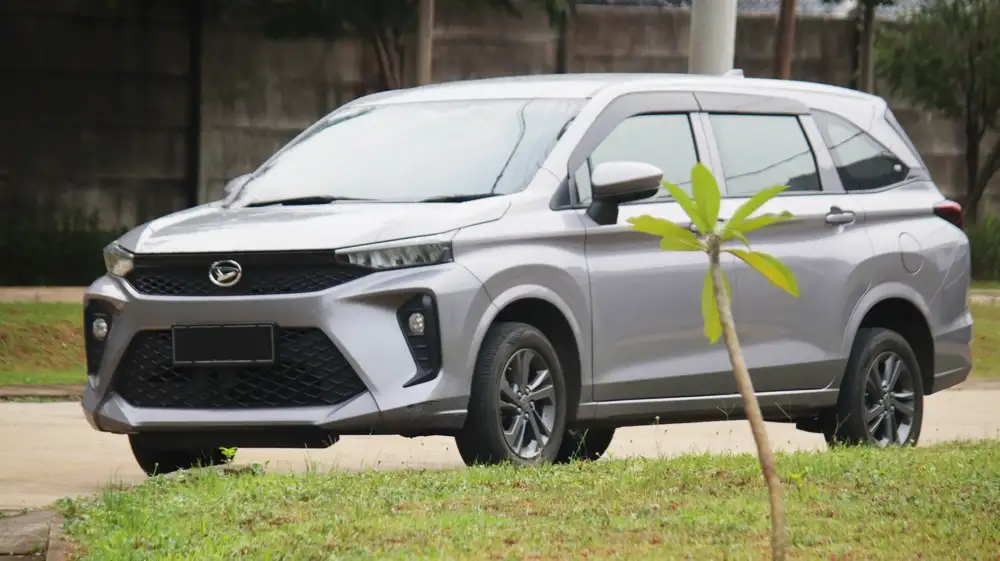
Despite sharing the same manufacturing platform, assembly lines, and core mechanical components, the Xenia and the Avanza are targeted at slightly different consumer segments. For a prospective buyer looking to park one of these MPVs in their garage, understanding the subtle differences in styling, pricing, interior comfort, and brand value is crucial. Here is an in-depth comparison to help you determine which twin suits your lifestyle best.
Exterior Styling and Aesthetic Differences
While the silhouette and structural body panels of the Daihatsu Xenia and Toyota Avanza are virtually identical, the two brands have utilized distinct design languages on the front and rear fascias to separate their visual identities.
The Daihatsu Xenia generally leans toward a sporty, youthful appearance. It frequently features a prominent front grille design, often accented with red or chrome highlights depending on the specific variant. The bumper styling is designed to look aggressive, appealing to younger families who want a practical vehicle that does not compromise on visual flair.
The Toyota Avanza, on the other hand, adopts a more mature, elegant, and prestigious design philosophy. Its front grille layout is typically cleaner, emphasizing horizontal lines that make the vehicle appear wider and more premium. Toyota deliberately styles the Avanza to align closely with its global SUV and MPV lineup, projecting an aura of upscale reliability that appeals strongly to conservative buyers and corporate fleet managers.
Mechanical Specifications and Driving Dynamics
Under the hood, the mechanical symmetry between the two vehicles becomes highly apparent. Both the Xenia and the Avanza have transitioned to modern front-wheel-drive (FWD) platforms utilizing Daihatsu New Global Architecture (DNGA). This shift from the older rear-wheel-drive setup has vastly improved ride comfort, lowered cabin noise, and maximized fuel efficiency.
Both vehicles offer similar engine choices, typically featuring:
- The 1.3-Liter Powerplant: A highly efficient engine designed primarily for urban commuting, offering low fuel consumption and adequate power for daily city driving.
- The 1.5-Liter Powerplant: A more robust engine option that delivers better performance when the vehicle is fully loaded with seven passengers or when tackling steep highway inclines.
Both engines can be paired with either a smooth manual transmission or a modern Continuously Variable Transmission (CVT). Because they share the identical chassis architecture, the suspension tuning and overall driving dynamics feel remarkably similar. Both vehicles provide a compliant, comfortable ride that handles imperfect city roads with ease.
Interior Features, Technology, and Safety
Step inside the cabin, and you will find that the fundamental dashboard layout, seating configuration, and space utilization are identical. Both vehicles excel at maximizing passenger legroom and cargo flexibility, allowing the second and third rows to fold flat to accommodate large items. However, the differences lie in the trim materials and technological packaging.
Toyota equips the Avanza with a slightly more premium selection of interior fabrics and dashboard textures. Furthermore, Toyota tends to prioritize advanced safety tech earlier in its trim hierarchy. High-end variants of the Avanza feature Toyota Safety Sense (TSS), a comprehensive active safety suite that includes pre-collision warning, lane departure assist, and blind-spot monitoring.
Daihatsu counters by offering a highly customizable interior layout across a broader range of variants. The Xenia features its own version of active safety called Advanced Safety Assist (ASA), but Daihatsu strategically distributes its features across more modular, budget-friendly trim levels. This allows buyers to pick and choose specific technological combinations without necessarily paying for the top-tier luxury package.
Pricing Strategy and Resale Value
The most significant divergence between these two legendary MPVs lies in their market positioning and overall pricing structure.
Daihatsu has always positioned the Xenia as the more accessible entry point for families transitioning from motorcycles to their very first car. As a result, the Xenia starts at a lower baseline price point, offering bare-bones variants that strip away non-essential luxury features to keep costs incredibly low. This makes the Xenia an exceptional value proposition for budget-conscious individuals and ride-sharing drivers.
Toyota leverages its immense global brand equity to position the Avanza at a slight premium. The starting price for an Avanza is consistently higher than a base Xenia. However, that premium is offset by the legendary Toyota badge, which commands immense trust in Southeast Asia. This strong brand reputation translates directly into superior resale value; the Avanza historically holds its financial value on the secondary market slightly better than the Xenia, making it a highly attractive long-term asset.
Conclusion
Choosing between the Daihatsu Xenia and the Toyota Avanza does not come down to mechanical superiority, as both share the same robust DNGA DNA, reliable engines, and spacious interior layouts. Instead, the decision hinges on your budget, aesthetic preference, and long-term financial strategy. If you are looking for the absolute lowest entry cost, sporty styling, and the flexibility to choose from a wide array of budget-friendly variants, the Daihatsu Xenia is the logical champion. However, if you prioritize a more premium cabin feel, a mature exterior design, advanced safety suites out of the box, and a bulletproof brand reputation that guarantees maximum resale value down the road, the Toyota Avanza remains the undisputed king of the family MPV segment.