
The El Nino climate phenomenon brings dramatic changes to global weather patterns, frequently resulting in prolonged droughts, reduced rainfall, and intense, record-breaking heatwaves. While high temperatures pose health risks to individuals, they also place immense mechanical stress on passenger vehicles.
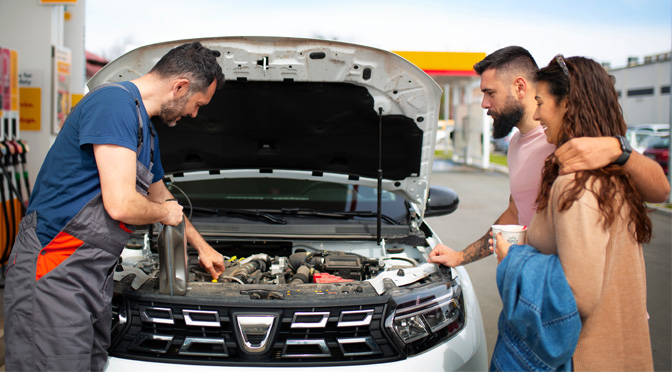
Operating a vehicle in extreme heat forces internal components to work significantly harder. From the engine block to the rubber tires contacting scorching asphalt, every system is pushed to its absolute thermal limit. Neglecting routine maintenance during an El Nino cycle can result in sudden mechanical breakdowns, costly component failures, or dangerous highway blowouts. To ensure your vehicle remains safe, responsive, and reliable throughout periods of intense summer heat, implement these essential maintenance practices.
1. Optimize the Engine Cooling System to Prevent Overheating
The primary defense against extreme atmospheric temperatures is your vehicle’s engine cooling system. When ambient temperatures soar, the temperature differential between the engine block and the outside air shrinks, making it much harder for the vehicle to shed excess heat.
Begin by regularly checking the engine coolant reservoir. Ensure the fluid level rests securely between the minimum and maximum markers when the engine is completely cold. Look closely for any signs of discolored coolant, which indicates internal corrosion or scaling that can block the radiator channels. Additionally, inspect the radiator hoses and structural clamps; extreme heat can cause rubber hoses to become excessively soft, brittle, or prone to sudden leaks under high pressure. Finally, verify that the electric radiator cooling fan engages properly when the engine reaches operating temperature.
2. Inspect Tire Pressure and Tread Integrity Regularly
Tires are the only components connecting your vehicle directly to the road surface, making them highly vulnerable to extreme environmental heat. As ambient temperatures rise, the air inside your tires expands, causing internal pressure to increase significantly.
Check your tire inflation pressure at least once a week using a reliable gauge, ensuring you take the reading when the tires are completely cool. Overinflated tires reduce the contact patch with the road, leading to uneven center tread wear and a harsher ride. Conversely, underinflated tires generate excessive internal friction and heat build-up, which can lead to catastrophic sidewall blowouts on scorching asphalt. Inspect the tire sidewalls for any structural cracks, gouges, or heat-induced bulges, and ensure the tread depth meets safe operating standards.
3. Protect and Test the Vehicle Battery
Many drivers associate battery failures exclusively with freezing winter conditions, but automotive technicians know that extreme heat is actually far more destructive to car batteries. High under-hood temperatures accelerate internal chemical reactions, leading to rapid fluid evaporation and internal grid corrosion.
Have a professional service center conduct a digital battery health and voltage test to ensure the unit holds a proper charge. Inspect the battery casing for any signs of swelling or bloating caused by intense thermal exposure. Keep the battery terminals completely clean, tight, and free from white or green corrosive crusts, as loose or dirty connections restrict electrical current flow and place additional strain on the vehicle’s alternator.
4. Service the Air Conditioning System for Cabin Comfort
A properly functioning climate control system is not just a luxury during an El Nino heatwave; it is a vital safety feature that prevents driver fatigue, dizziness, and dehydration. When cabin temperatures climb, a driver’s reflexes and concentration drop significantly.
If your vehicle’s air conditioning system takes an excessive amount of time to cool the cabin, blows warm air, or emits unusual noises when engaged, schedule an immediate service appointment. A professional technician can check for minor refrigerant leaks, top off the freon level, and inspect the air conditioning compressor belt for wear. Don’t forget to replace the cabin air filter regularly; a clogged filter restricts fresh airflow into the interior, forcing the system to work harder and consume more fuel.
5. Upgrade Lubricants and Monitor Fluid Levels
Engine oil serves a dual purpose: it minimizes mechanical friction between moving parts and helps transfer heat away from the internal combustion chamber. Under the extreme conditions of an El Nino summer, engine oil thins out more rapidly, reducing its protective capabilities.
Check your oil level using the manual dipstick frequently. If your vehicle is approaching its service limit, change the oil immediately, opting for high-quality full-synthetic motor oil. Synthetic lubricants maintain their viscosity and chemical stability far better under high temperatures than conventional options. Simultaneously, check other essential vehicle fluids that can evaporate or degrade in high heat, including power steering fluid, brake fluid, and windshield washer reservoir fluid.
6. Preserve the Exterior Paint and Interior Cabin Components
Prolonged exposure to intense ultraviolet (UV) radiation from the sun can cause severe cosmetic and structural damage to both the exterior and interior of your vehicle.
Whenever possible, park your vehicle in covered structures, garages, or shaded areas to minimize direct sun exposure. If you must park under the open sky, utilize a high-quality, reflective front windshield sunshade to protect the dashboard, steering wheel, and front electronics from cracking or warping. Applying a premium coat of protective wax or paint sealant to the vehicle’s exterior can also shield the clear coat from UV degradation and oxidation, keeping the paint vibrant for years to come.
Conclusion
Navigating an extreme El Nino weather cycle requires a proactive transition from passive car ownership to disciplined preventative maintenance. By optimizing your engine’s cooling architecture, managing tire pressures diligently, securing your battery’s health, servicing the air conditioning, and utilizing high-grade synthetic lubricants, you effectively insulate your vehicle from the destructive effects of extreme heat. Taking care of these automotive details right away protects your financial investment, ensures maximum fuel efficiency, and guarantees a safe, comfortable, and reliable driving experience no matter how high the thermometer climbs.