
For many people, acquiring a reliable vehicle is an essential milestone that unlocks job opportunities, simplifies daily commutes, and provides personal freedom. However, buying a brand-new car from a dealership lot can lead to severe financial strain, especially when considering rapid vehicle depreciation. This reality makes the pre-owned vehicle market an incredibly attractive alternative.
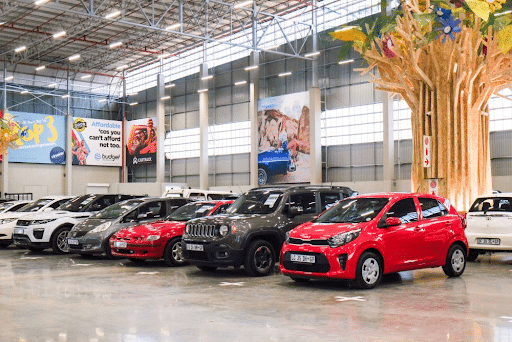
The used automobile market is vast, offering everything from nearly new sedans to older, high-mileage work trucks. The ultimate challenge for budget-conscious buyers is navigating this landscape to find a vehicle that is low-cost without being a mechanical nightmare. Finding an affordable, dependable pre-owned automobile requires patience, research, and a strategic approach. Here is a professional guide to sourcing low-cost used cars for sale safely and efficiently.
1. Set a Strict Budget and Account for Hidden Costs
The first step in finding a low-cost used automobile is defining what “low-cost” means to your specific financial situation. A common mistake many buyers make is allocating their entire savings pool strictly to the purchase price of the vehicle, leaving zero financial buffer for the expenses that immediately follow.
When calculating your budget, use the purchase price as a starting point, then factor in mandatory secondary costs:
- Registration and Sales Tax: Government fees for transferring the vehicle title vary by region and can add hundreds of dollars to your initial transaction.
- Insurance Adjustments: Used cars are often cheaper to insure than new ones, but older models or specific vehicle classes can still carry surprising premium rates. Get an insurance quote before finalizing the sale.
- Immediate Maintenance Reserves: A low-cost used car will almost always require some immediate attention, such as a fresh set of tires, new brake pads, or a basic fluid flush. Reserving roughly 10% to 15% of your total budget for these post-purchase updates prevents immediate financial stress.
2. Explore Private Party Sales vs. Independent Dealerships
Where you choose to shop plays a massive role in the final price of the vehicle. To secure the absolute lowest price, you must understand the pros and cons of different seller avenues.
Private party sales—buying directly from the individual who owns the car—is generally the best route to find rock-bottom prices. Private sellers do not have corporate overhead costs, monthly sales quotas, or showroom utility bills to pay, meaning their prices are typically lower than dealership listings. Furthermore, private owners are often highly motivated to sell quickly, giving you significant leverage during price negotiations.
Independent used car lots offer a middle ground. While their prices are slightly higher than private sales due to profit margins, they frequently offer in-house financing options for buyers with less-than-perfect credit scores and handle the legal title paperwork on your behalf. However, proceed with caution and prioritize independent mechanics over dealership promises.
3. Leverage Digital Classifieds and Online Marketplaces
The modern digital era has completely transformed how pre-owned vehicles are sourced. Instead of driving around town looking for physical “For Sale” signs, you can browse thousands of local options from your smartphone.
Utilize popular digital classified platforms, localized online marketplaces, and dedicated automotive search engines. To find the best low-cost deals, make effective use of the platform’s filtering systems. Set your maximum price cap, filter by radius to keep the vehicle within driving distance, and prioritize listings that feature detailed descriptions and multiple clear photos. Be wary of listings that seem too good to be true, feature only a single stock photo, or refuse to provide a vehicle identification number (VIN).
4. Prioritize Reliability and Low Maintenance Over Brand Prestige
When shopping on a strict budget, you must remove emotion and brand prestige from your decision-making process. A sleek, luxury European sedan from the mid-2000s might be listed at a tempting, low-cost price, but the cost of its specialized parts and complex labor will quickly bankrupt you.
Instead, direct your focus toward brands and models renowned for bulletproof reliability, simple mechanical engineering, and abundant, affordable spare parts. Japanese economy sedans and compact hatchbacks are global industry standards for budget ownership because they run efficiently for hundreds of thousands of miles with minimal maintenance. Additionally, consider domestic models that were produced in massive quantities; high production volume ensures that any local mechanic will know how to fix the vehicle and that replacement components will be cheap and easy to source.
5. Verify Vehicle History and Conduct a Pre-Purchase Inspection
The true value of a low-cost used automobile is determined by its mechanical condition, not just its exterior appearance. To protect yourself from buying a vehicle that has hidden flood damage, a salvaged title, or an altered odometer, you must do your homework.
Always request the Vehicle Identification Number (VIN) from the seller and run a comprehensive vehicle history report. This report reveals previous accidents, ownership history, and service records.
Finally, never purchase a pre-owned vehicle without a professional Pre-Purchase Inspection (PPI). Ask the seller if you can take the car to an independent, trusted mechanic of your choice. Spending a small fee for a professional mechanic to put the car on a lift and inspect the engine, transmission, brakes, and suspension can save you thousands of dollars in unexpected repairs down the road. If the seller refuses to allow an independent inspection, view it as a major red flag and walk away.
Conclusion
Finding a low-cost used automobile for sale is entirely possible if you approach the market with a disciplined strategy and a critical eye. By establishing a realistic budget that accounts for hidden fees, targeting private party sellers, utilizing digital filters, prioritizing reliable vehicle models, and strictly enforcing a pre-purchase inspection rule, you can mitigate the inherent risks of buying pre-owned. A car is a tool designed to serve your lifestyle, and by securing a dependable, low-cost automobile, you protect your current financial health while unlocking the mobility needed to build future wealth.