
Modifying a vehicle is the ultimate expression of automotive passion. It allows car enthusiasts to transform a factory-standard machine into a personalized statement of style and performance. When it comes to high-displacement cars—vehicles equipped with large-cc engines such as muscular V6s, roaring V8s, or high-performance turbocharged powerplants—body modifications take on a completely different level of significance.
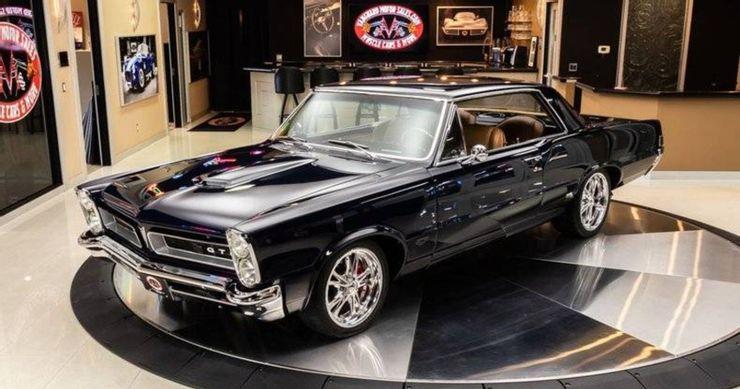
With great power comes great responsibility. Unlike smaller city cars where body kits are often purely cosmetic, modifying the exterior of a high-displacement vehicle directly impacts how that immense power is transferred to the road. A poorly planned modification can compromise safety, ruin handling, and even damage the engine. If you are looking to upgrade the exterior of a high-performance, large-cc vehicle, here are the critical factors you must consider.
1. Aerodynamics and Downforce Management
High-displacement cars are built for speed and rapid acceleration. When a vehicle travels at high speeds, aerodynamic forces dictate its stability. Therefore, any modification to the car’s body will fundamentally alter how air flows around it.
When installing front splitters, side skirts, or rear wings, you must look past basic aesthetics and focus on functional aerodynamics. High-performance cars require a delicate balance between downforce and drag. Adding a massive rear spoiler might look aggressive, but if it is not engineered correctly, it can create excessive aerodynamic drag, reducing your top speed and straining the engine. Conversely, improper front-end modifications can cause aerodynamic lift, making the steering feel dangerously light and unstable at high speeds. Always opt for wind-tunnel-tested components designed specifically for your vehicle’s chassis.
2. Airflow, Engine Cooling, and Heat Dissipation
Large-displacement engines generate an immense amount of thermal energy. Keeping these powerplants cool requires a massive, constant volume of fresh air flowing through the radiator, intercooler, and engine bay.
When modifying the front bumper or installing aftermarket grilles, you must ensure that you do not restrict the factory-designed airflow pathways. Blocking even a small percentage of the main air intake can lead to severe engine overheating, power loss, and long-term mechanical degradation. Furthermore, if you are changing the hood, consider functional vented hoods that actively pull hot air out of the engine bay. Managing heat dissipation through smart body modifications is essential to maintaining the peak performance of a large-cc engine.
3. Weight Distribution and Advanced Material Selection
The agility and braking efficiency of a high-performance car depend heavily on its weight and how that weight is distributed across the front and rear axles. Replacing factory body panels with cheap, heavy fiberglass alternatives will negatively impact your power-to-weight ratio.
To preserve or enhance the vehicle’s driving dynamics, prioritize high-quality, lightweight materials such as carbon fiber, dry carbon, or high-grade aluminum. Replacing a heavy factory steel hood or trunk lid with carbon fiber equivalents reduces the vehicle’s overall mass, allowing the large engine to accelerate the car even faster. However, ensure that the weight reduction is balanced; drastically lightening only one end of the car can disrupt the suspension geometry and alter handling characteristics.
4. Brake and Wheel Arch Clearance
High-displacement cars require massive braking systems—often featuring multi-piston calipers and oversized rotors—to safely bring the high-speed machine to a halt. When modifying the body, particularly when installing widebody kits or customized fender flares, wheel arch clearance must be meticulously calculated.
The modified body panels must provide adequate room not just for larger wheels, but also for the full articulation of the suspension and steering components. If the inside of the fender rubs against the tire during hard cornering or under heavy braking, it can cause catastrophic tire failure. Additionally, ensure that front bumper modifications include functional brake cooling ducts, channeling fresh air directly to the rotors to prevent brake fade during spirited driving.
5. Legal Compliance and Structural Integrity
Before cutting into your car’s factory sheet metal to install a custom widebody kit, it is vital to research local automotive regulations. Many jurisdictions maintain strict laws regarding vehicle dimensions, bumper heights, and how far wheels can protrude past the factory bodywork.
Furthermore, you must protect the structural integrity of the vehicle. Factory bumpers and body panels are integrated into the car’s crash management and crumple-zone systems. Replacing these with flimsy aftermarket body kits that lack proper internal reinforcement structural brackets can leave you incredibly vulnerable in the event of an accident. Always ensure that the body modifications are securely mounted to the vehicle’s chassis using professional-grade hardware.
Conclusion
Modifying the body of a high-displacement car is a thrilling endeavor that can elevate a vehicle to legendary status, but it requires an approach rooted in engineering rather than superficial styling. By carefully evaluating aerodynamic balance, ensuring unrestricted engine cooling, choosing premium lightweight materials, maintaining proper wheel clearance, and respecting structural safety laws, you protect your investment. When cosmetic upgrades harmonize perfectly with the mechanical realities of a large-cc engine, your modified car will not only turn heads on the street but will also deliver a safer, faster, and highly optimized driving experience on the track.