
Diesel engines are legendary for their robust construction, exceptional fuel efficiency, and immense low-end torque. Whether powering a rugged pickup truck, a family SUV, or a commercial vehicle, a diesel engine is built to endure heavy workloads and cover hundreds of thousands of miles. It is an investment designed for longevity.
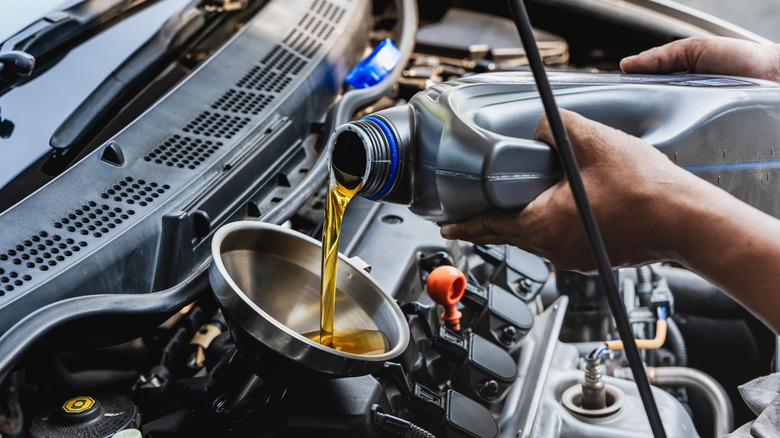
However, the very mechanical characteristics that make diesel engines so durable also mean they require a specific type of care. Diesel engines operate under much higher compression ratios and temperatures than their gasoline counterparts. Neglecting basic maintenance or using the wrong techniques can quickly lead to expensive repairs and a sharp drop in performance. To keep your vehicle running flawlessly, here is an informative guide on how to properly maintain your diesel engine.
1. Prioritize Regular Fuel Filter Replacements
If there is one absolute rule for diesel engine maintenance, it is keeping the fuel system pristine. Diesel fuel is naturally heavier and less refined than gasoline, making it far more susceptible to collecting microscopic dirt particles, water contamination, and even microbial growth.
Most modern diesel vehicles utilize a dual-fuel filter system: a primary filter to catch larger debris and a secondary filter designed to separate water from the fuel. Water is the ultimate enemy of a diesel engine; if it reaches the high-pressure fuel injectors, it can cause corrosion, ruin fuel atomization, and destroy the injection pump. Routinely changing your fuel filters according to the manufacturer’s schedule—and manually draining the water separator if your vehicle indicates a buildup—is the single most effective way to safeguard your fuel system.
2. Commit to High-Quality Engine Oil and Strict Change Intervals
The internal components of a diesel engine are subjected to extreme thermal stress and mechanical pressure. Furthermore, the combustion process of diesel fuel naturally produces a high amount of soot. If your engine oil is left unchanged for too long, it will become saturated with carbon particles, turning into a thick sludge that accelerates mechanical wear.
To maximize engine longevity, always use premium, heavy-duty engine oils specifically formulated for diesel powertrains. These oils contain specialized detergents and dispersant additives designed to suspend soot particles and prevent them from clumping together. Stick to a strict oil and filter change schedule, and regularly check your oil levels on the dipstick to ensure the engine is always properly lubricated and cooled.
3. Monitor the Glow Plugs and Cold-Start Protocols
Unlike gasoline vehicles that rely on spark plugs to ignite the fuel-air mixture, diesel engines rely entirely on heat generated by high compression to trigger combustion. When the engine block is cold, achieving the required temperature for a smooth start can be difficult. This is where glow plugs come into play.
Glow plugs are small heating elements that pre-heat the combustion cylinders. If your vehicle struggles to start in the morning, produces excessive white smoke upon startup, or idles roughly for the first few minutes, your glow plugs may be failing. Additionally, practice proper cold-start discipline: turn the ignition key to the “on” position and wait for the glow plug indicator light on your dashboard to turn off completely before cranking the engine. This minimizes unnecessary strain on the starter motor and battery.
4. Let the Engine Idle Before and After Driving
The mechanical tolerances inside a diesel engine require careful temperature management. Implementing simple idling habits at the beginning and end of your journeys can dramatically reduce long-term wear on critical components, especially the turbocharger.
When you start your vehicle after it has been sitting for several hours, allow it to idle smoothly for roughly one to two minutes before driving off. This gives the oil pump enough time to distribute pressurized lubricant to the furthest reaches of the engine block. Even more importantly, after a long highway drive or a period of heavy towing, do not turn the engine off immediately. Let the engine idle for two to three minutes before shutting it down. This keeps oil flowing through the red-hot turbocharger, allowing it to cool down gradually and preventing the oil inside the turbo bearings from baking and forming destructive carbon deposits.
5. Keep the Air Intake and Cooling Systems Flawless
A diesel engine requires a massive volume of clean oxygen to ensure complete combustion of the fuel. A clogged, dirty air filter starves the engine of air, leading to a rich fuel mixture that produces excessive black smoke, robs you of horsepower, and increases exhaust gas temperatures (EGT). Check your air filter regularly and replace it whenever it appears discolored or filled with dust.
Equally important is the cooling system. Because diesel engines run hot, your radiator, coolant fluid, and thermostat must be in perfect working condition. Routinely inspect the coolant reservoir level, check for any brittle or leaking hoses, and flush the cooling system at recommended intervals to prevent internal scale buildup that blocks efficient heat transfer.
Conclusion
Maintaining a diesel engine is not a complicated task, but it demands consistency and attention to detail. By making regular fuel filter replacements a priority, investing in premium diesel-grade lubricants, protecting your turbocharger with proper idling habits, and keeping the air intake free of restrictions, you can prevent major mechanical breakdowns. A well-maintained diesel engine will reward you with unparalleled reliability, phenomenal fuel economy, and a driving companion that will confidently last for decades to come.